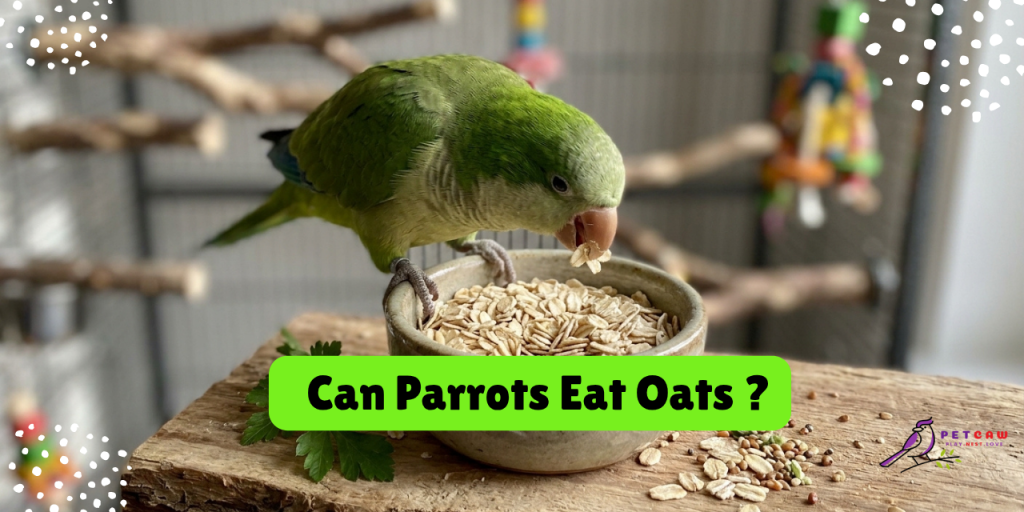
Yes, parrots can safely eat oats. When served plain, unprocessed, and cooked only in water or offered raw in small quantities, oats provide a nutrient-dense snack rich in complex carbohydrates, dietary fiber, B vitamins, and essential minerals like iron and magnesium. However, oats must strictly be fed as an occasional treat never replacing a balanced diet of pellets and fresh vegetables and should never contain added sugars, salt, butter, or dairy milk.
Oats are one of the most widely consumed whole grains across the globe, celebrated for their heart-healthy fiber, complex carbohydrates, and essential vitamin profile. For parrot owners seeking to provide a varied, nutrient-dense diet, introducing wholesome human foods like grains often seems like a natural choice. However, psittacine digestion operates on vastly different physiological mechanisms than human digestion.
Companion birds ranging from small parrotlets, budgies, and cockatiels to mid-sized conures and large African Greys, Amazons, and Macaws require a careful balance of nutrients to maintain optimal health, feather quality, and immune function. Understanding how oats fit into this dietary equation is essential for any bird owner who wants to provide optimal enrichment without unintentionally triggering gastrointestinal distress or metabolic issues.
Nutritional Breakdown: What Oats Offer Psittacines
To evaluate whether oats are a beneficial addition to your bird’s meal plan, it is helpful to look at their chemical and dietary composition. Oats are an unrefined cereal grain known for a balanced macronutrient profile.
1. Complex Carbohydrates & Energy
Unlike simple sugars that cause rapid blood glucose spikes, oats consist of complex carbohydrates that break down slowly during digestion. For active birds that spend their days flying, foraging, climbing, and playing, these carbohydrates offer sustained energy without overloading the metabolic system.
2. Dietary Fiber (Soluble and Insoluble)
Oats are exceptionally rich in beta-glucan, a soluble dietary fiber known for regulating digestion and maintaining healthy cholesterol levels in mammals. In birds, moderate levels of fiber support smooth intestinal motility, promote healthy droppings, and feed the beneficial microflora residing in the lower digestive tract.
3. Plant-Based Protein
While grains are rarely a primary protein source, oats contain higher protein levels than most other common cereal crops like wheat, corn, or rice. The amino acids provided by oats contribute to tissue repair, muscle integrity, and the synthesis of keratin—the fundamental protein required for beak, claw, and feather development, especially during molting seasons.
4. B-Complex Vitamins
Oats contain notable concentrations of key B vitamins, including Thiamine (B1), Pantothenic Acid (B5), and Pyridoxine (B6):
- Thiamine (B1): Vital for carbohydrate metabolism and central nervous system health.
- Pantothenic Acid (B5): Plays a critical role in hormone production and energy extraction from fats and proteins.
- Pyridoxine (B6): Essential for red blood cell formation and neurotransmitter regulation.
5. Essential Trace Minerals
Oats pack a robust variety of essential minerals into every grain:
- Magnesium: Supports nerve function, muscle contraction, and structural bone density.
- Iron: Necessary for hemoglobin production and oxygen transport through the bloodstream.
- Phosphorus & Zinc: Help regulate enzyme functions, cellular repair, and immune system resilience.
- Manganese: A key factor in bone development and antioxidant defense.
The Spectrum of Oats: Safe vs. Dangerous Varieties
Not every box of oats on your local grocery store shelf is safe for avian consumption. The processing methods, added chemicals, and seasonings determine whether a specific product is a healthy treat or a health hazard.
1. Whole Oat Groats (Raw)
- Status: Extremely Safe
- Description: The complete, minimally processed grain kernel with only the inedible outer hull removed.
- Avian Suitability: Excellent for medium to large parrots (such as Cockatoos, Amazons, and Macaws) that possess strong beaks. Groats encourage natural foraging and beak exercise. They can be fed raw, soaked, or sprouted.
2. Steel-Cut Oats (Pinhead Oats)
- Status: Safe (Best Soaked or Cooked)
- Description: Whole groats cut into tiny, dense pieces using steel blades. They retain all the natural bran and germ.
- Avian Suitability: Safe for all parrot sizes, but because they are hard and dense, raw steel-cut oats can absorb significant moisture in the crop. It is best to soak them overnight or cook them in plain water before serving.
3. Rolled Oats (Old-Fashioned)
- Status: Extremely Safe
- Description: Groats that have been steamed, rolled, and flattened into flakes, then dried.
- Avian Suitability: The gold standard for feeding companion birds. They can be offered dry as a topper on fresh vegetable mash (chop) or cooked into warm oatmeal.
4. Quick-Cooking Oats (Plain)
- Status: Safe
- Description: Rolled oats cut into smaller pieces and rolled thinner to cook faster.
- Avian Suitability: Safe, provided the ingredient list contains only 100% whole grain oats with zero additives, preservatives, or salt.
5. Commercial Flavored Instant Oatmeal (Pre-Packaged Packets)
- Status: STRICTLY UNSAFE / DANGEROUS
- Description: Single-serve packets designed for human convenience, often featuring flavors like maple, brown sugar, apple cinnamon, or peaches and cream.
- Avian Suitability: Extremely harmful. These products contain excessive refined sugars, artificial flavorings, synthetic preservatives, added sodium, and often dried milk powders. Never feed these to your parrot.
Symptoms & Health Problems Caused by Improper Oat Feeding
While pure oats are nutritious, incorrect preparation, improper grain choices, or overfeeding can trigger severe health conditions in companion birds.
1. Crop Stasis and Crop Sour (Candida Overgrowth)
The crop is an expanded, muscular pouch near the throat where birds store food before digestion begins. The environment inside the crop is warm, moist, and sensitive to bacterial and fungal balances.
- The Cause: Offering oats cooked with milk, sweetened with sugar or honey, or served piping hot creates an ideal environment for Candida albicans (yeast) to flourish. Feeding excessively thick, sticky oatmeal can also slow down crop emptying.
- Associated Symptoms: A swollen, soft, or fluid-filled crop that fails to empty overnight, sour or foul-smelling breath, regurgitation of thick mucus, head shaking, lethargy, loss of appetite, and uncharacteristic fluffed feathers.
2. Crop Burns (Thermal Trauma)
Parrots will often eagerly accept warm food because it mimics the regurgitated warm mash fed by parent birds or mates.
- The Cause: Serving cooked oatmeal straight from the stove or microwave without testing the temperature thoroughly. Microwaving often creates localized “hot spots” within the food mass.
- Associated Symptoms: Immediate screaming or wing-flapping upon swallowing, severe salivation, reluctance to eat, visible blistering or darkening of the skin around the lower neck, and in severe cases, crop perforation (where food leaks out through a damaged neck wound).
3. Dehydration, Impaction, and Constipation
- The Cause: Feeding small parrot species large amounts of completely dry, raw steel-cut oats or uncooked groats without ensuring adequate hydration. Grains absorb water, expanding inside the digestive tract and drawing moisture away from body tissues.
- Associated Symptoms: Visible straining while attempting to pass droppings, decreased fecal output, dry or abnormally firm droppings, tail bobbing, sitting low on the perch, and abdominal tightness.
4. Obesity and Hepatic Lipidosis (Fatty Liver Disease)
- The Cause: Oats are dense in carbohydrates. When pet owners feed large bowls of oatmeal daily to birds with limited flight opportunities, the excess energy is converted directly into visceral fat stores.
- Associated Symptoms: Rapid weight gain, visible yellow fat pads under the skin, shortness of breath after light exertion, overgrown or soft beak and nails, black spots on feathers, and eventual liver failure.
5. Sodium Toxicity (Salt Poisoning)
- The Cause: Offering birds instant oatmeal packets or oats cooked with table salt, salted butter, or savory broths. A parrot’s kidneys are small and inefficient at processing heavy salt loads.
- Associated Symptoms: Extreme thirst (polydipsia), excessive watery urination (polyuria), general weakness, tremors, loss of balance, seizures, and sudden death.

Step-by-Step Guide: How to Prepare Oats Safely
To ensure your bird enjoys the dietary benefits of oats without experiencing any associated health risks, strictly adhere to the following preparation, portioning, and cleaning steps.
Step 1: Select the Right Ingredients
Always buy 100% organic, plain old-fashioned rolled oats, steel-cut oats, or whole oat groats. Read the ingredient label carefully. The only listed ingredient should be “Whole Grain Oats.” Avoid products labeled as “may contain traces of milk, salt, or artificial flavorings.”
Step 2: Choose Your Feeding Method
A: The Raw & Crunchy Topper (Best for Daily Enrichment)
- Measure out the appropriate portion of raw, plain rolled oats.
- Sprinkle the dry oats directly over your bird’s daily fresh vegetable chop.
- The dry oats will absorb excess moisture from the raw vegetables, improving the texture of the chop and encouraging foraging.
- B: The Soaked Method (Best for Digestibility)
- Place 1–2 tablespoons of raw steel-cut oats or groats into a clean glass container.
- Submerge the oats in cold, filtered water.
- Cover and store in the refrigerator overnight (8–12 hours).
- Rinse thoroughly in a fine-mesh strainer under cold running water before serving. Soaking breaks down anti-nutrients like phytic acid and softens the grain without altering its natural vitamins.
C: The Warm Oatmeal Mash (Best for Comfort & Training)
- Bring 1 cup of pure filtered water to a rolling boil in a small saucepan. Do not use tap water if it contains high chlorine or heavy metals, and never use milk, butter, oil, salt, or sugar.
- Stir in 1/2 cup of plain rolled oats.
- Reduce the heat to low and simmer for 3–5 minutes, stirring continuously until the oats reach a soft consistency.
- Remove the saucepan from the heat source and allow the mash to cool down completely.
Step 3: Verify Food Temperature
Before offering warm oatmeal to your parrot, test the temperature using a digital food thermometer or by applying a small dab to the inside of your wrist. The temperature must be between 95°F and 100°F (35°C to 38°C). If it feels even slightly hot to your skin, it is too hot for your bird’s sensitive crop.
Step 4: Add Safe Mix-Ins (Optional Enrichment)
Plain oatmeal can be made even more nutritious by mixing in safe, healthy ingredients:
- A pinch of Ceylon cinnamon (avoid Cassia cinnamon, which contains high levels of coumarin).
- Finely grated fresh carrots, zucchini, or steamed sweet potato.
- A few crushed raw seeds (chia, flax, or hemp seeds).
- A tiny handful of chopped, bird-safe fruits like blueberries or raspberries.
Step 5: Serve Controlled Portions
Measure the oats based on your bird’s species and body weight:
- Small Species (Parrotlets, Budgies, Cockatiels, Lovebirds):
- Portion: 1/4 to 1/2 teaspoon
- Frequency: 1 to 2 times per week max
- Medium Species (Conures, Quakers, Senegals, Caiques, Pionus):
- Portion: 1 teaspoon
- Frequency: 1 to 2 times per week max
- Large Species (African Greys, Amazons, Eclectus, Cockatoos, Macaws):
- Portion: 1 tablespoon
- Frequency: 1 to 2 times per week max
Step 6: Maintain Cage Hygiene
Moist, warm cooked oats act as a breeding ground for bacteria (like E. coli and Salmonella) and fungal spores when left at room temperature. Remove any uneaten warm oatmeal from the cage within 1 to 2 hours. Dry raw oats mixed into fresh chop should be removed after 4 hours. Thoroughly wash all feeding bowls from parrot cage with hot, soapy water immediately after use.
Prevention & Best Practices for Avian Grain Feeding
Integrating grains like oats into your parrot’s routine requires a clear understanding of avian nutrition. Following these golden rules helps keep your bird healthy and safe over the long term.
| Rule / Parameter | Guideline | Why It Matters |
| The 10% Treat Limit | Grains, fruits, seeds, and nuts combined should never exceed 10% of total daily intake. | Prevents nutritional deficiencies and wards off obesity. |
| No Dairy, Ever | Cook oats exclusively in pure water; never use cow’s milk, almond milk with additives, or butter. | Birds lack the lactase enzyme; dairy causes severe gut distress. |
| Strict Salt Control | Avoid pre-packaged, pre-flavored, or salted grain preparations. | Prevents electrolyte imbalances, kidney damage, and sodium toxicity. |
| Temperature Verification | Always test cooked oats on the wrist; ensure temp stays below 100°F (38°C). | Protects delicate crop tissues from irreversible thermal burns. |
| Time-Limited Feeding | Remove wet/cooked oat dishes from cages within 1 to 2 hours. | Prevents harmful bacterial growth and yeast development in food dishes. |
1. Adhere to the “10% Rule” for Supplemental Foods
Oats should never replace a balanced, professionally formulated avian diet. A healthy captive parrot diet consists of:
- 60% to 70% High-Quality Pellets: Provides baseline, balanced vitamins, minerals, and amino acids.
- 20% to 30% Fresh Vegetables & Greens: Delivers bioavailable phytonutrients, moisture, and roughage.
- 10% Treats & Extras: This small remaining portion covers seeds, nuts, healthy fruits, and grains like oats.
2. Practice Rotation with Other Healthy Grains
Offering only one type of grain can limit nutritional variety. To keep your bird engaged and supply a wider range of micronutrients, rotate oats with other safe, cooked grains:
- Quinoa: A complete protein containing all nine essential amino acids.
- Brown Rice / Wild Rice: Rich in natural minerals and B vitamins.
- Amaranth & Millet: Highly digestible grains ideal for smaller parrot species.
- Barley & Buckwheat: Excellent sources of soluble fiber and complex carbs.
3. Use Oatmeal for Veterinary & Medication Delivery
Because most parrots enjoy the texture of soft, warm oatmeal, it serves as an ideal vehicle for delivering veterinarian-prescribed oral liquid medications or powdered supplements. Mixing a prescribed dose into half a teaspoon of warm oat mash ensures the bird consumes the entire dose voluntarily, avoiding the stress of hand-restraint and syringe-forcing.
Frequently Asked Questions
Can parrots eat raw oats?
Yes, parrots can safely eat raw oats, provided they are plain rolled oats or whole oat groats free of additives. Raw oats offer a crunchy texture that birds enjoy. Ensure fresh, clean drinking water is always accessible so the dry fiber moves easily through the digestive tract.
Can parrots eat instant oatmeal packets?
No. Pre-packaged instant oatmeal packets intended for human consumption contain added sugar, sodium, artificial flavorings, preservatives, and often milk powder. These ingredients can lead to crop stasis, fungal infections, dehydration, and kidney issues in companion birds.
Can I prepare oatmeal with milk for my bird?
No. Parrots are non-mammalian creatures and do not produce lactase, the enzyme required to digest lactose (the sugar found in milk). Feeding oats prepared with dairy milk leads to intestinal fermentation, gas, severe diarrhea, and painful gut cramps. Always cook oats for birds using pure water.
Can baby parrots or fledglings eat oats?
Unweaned baby parrots requiring hand-feeding formulas should never be fed solid oats or homemade oatmeal as a replacement for commercial hand-rearing formulas. Commercial formulas are specifically engineered to provide exact calcium-to-phosphorus ratios and particle sizes. However, recently weaned fledglings can be introduced to small amounts of warm, cooked, plain oat mash to encourage independent eating.
Are steel-cut oats better than rolled oats for parrots?
Neither is universally better; they simply offer different textures. Steel-cut oats are less processed and retain a slightly denser fiber structure, making them ideal for soaking or cooking. Rolled oats are thinner and softer, making them easier to serve raw as a chop topper or cook quickly into a soft mash.
How often can I feed oats to my parrot?
Oats should be fed as an occasional treat rather than a daily staple. Serving a species-appropriate portion 1 to 2 times per week is ideal. This frequency allows your bird to enjoy the taste and nutritional benefits without risking weight gain or driving out essential pellet intake.
What should I do if my parrot accidentally ate flavored instant oatmeal?
If your parrot consumed a tiny nibble of flavored oatmeal, monitor them closely for signs of distress. Offer plenty of fresh water. However, if they ingested a significant portion of sugary, salty, or dairy-laden oatmeal, contact an avian veterinarian for guidance. Watch for red-flag symptoms such as vomiting, lethargy, watery droppings, or a distended, slow-emptying crop.
About The Author


