
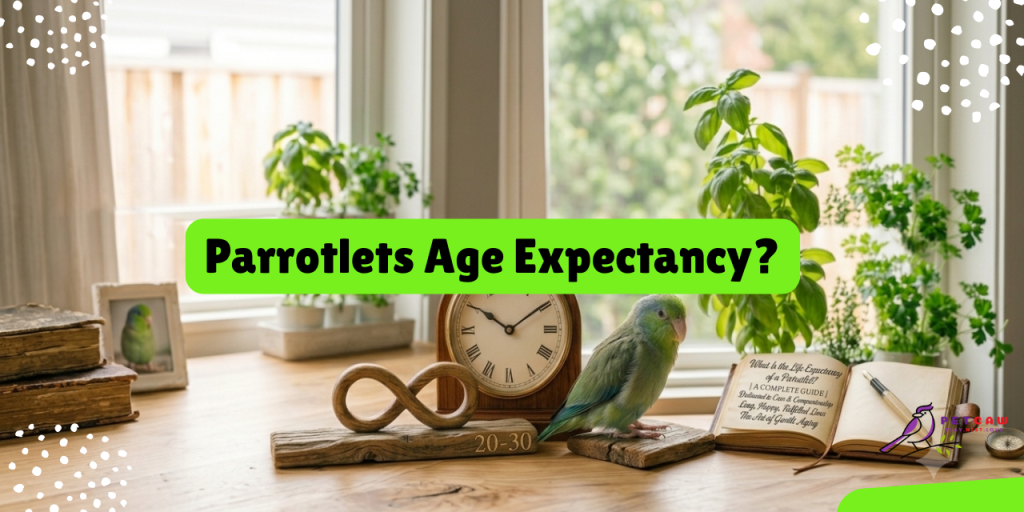
A surprising number of parrotlets never reach their full lifespan—not because of bad luck, but because small mistakes quietly build up over time. Poor nutrition, cramped cages, lack of mental stimulation, and missed health checks can shave years off these intelligent little birds’ lives. If you’ve ever wondered what is the life expectancy of a parrotlet, the answer isn’t just a number. It’s a reflection of the care they receive every single day.
Most healthy pet parrotlets live 15 to 20 years, with some exceeding 20 years when given exceptional care.
What Is the Life Expectancy of a Parrotlet?
Think of a parrotlet like a compact sports car. It’s small, energetic, and packed with personality—but it still needs premium maintenance to perform at its best.
In captivity, where predators, harsh weather, and food shortages are eliminated, parrotlets generally enjoy much longer lives than their wild counterparts. A well-balanced diet, spacious environment, regular exercise, and preventive veterinary care all work together to maximize their lifespan.
Several factors influence how long a parrotlet lives:
- Genetics
- Daily nutrition
- Exercise opportunities
- Mental enrichment
- Stress levels
- Clean living conditions safe perches
- Veterinary care
- Safe home environment
What Happens When Parrotlets Don’t Receive Proper Care?
Many health problems don’t appear overnight parrotlet diseases develop slowly until owners suddenly notice their bird acting differently.
1. Hidden Nutritional Deficiencies
A seed-only diet may seem harmless, but over time it can cause obesity, vitamin deficiencies, weakened immunity, and liver disease. Birds often mask illness until it becomes serious.
2. Chronic Stress Shortens Their Lives
Parrotlets crave stimulation. Long periods of boredom, isolation, or constant environmental stress can trigger feather plucking, aggression, and weakened immune function.
3. Small Health Problems Become Major Ones
Because birds instinctively hide illness, delaying routine veterinary exams often means diseases aren’t discovered until they’re much harder to treat.
10 Reasons Proper Care Helps a Parrotlet Live Longer
1. Balanced Nutrition Fuels Every Organ
Fresh vegetables, quality pellets, limited seeds, and clean water provide the vitamins and minerals needed to support healthy organs throughout your bird’s life.
2. Daily Exercise Protects the Heart
Flying, climbing, and exploring strengthen muscles while preventing obesity and improving cardiovascular health.
3. Mental Stimulation Keeps Their Brain Active
Puzzle toys, training sessions, and social interaction reduce boredom while encouraging natural curiosity.
4. Clean Housing Prevents Disease
Regular cage cleaning reduces bacteria, mold, parasites, and harmful waste buildup that can compromise respiratory health.
5. Regular Vet Visits Catch Problems Early
Annual wellness exams often identify illnesses long before visible symptoms appear, giving your bird the best chance of successful treatment.
6. Proper Sleep Supports Recovery
Parrotlets thrive on approximately 10–12 hours of uninterrupted sleep each night. Quality rest strengthens the immune system and reduces stress.
7. Safe Homes Prevent Accidents
Open windows, toxic plants, ceiling fans, overheated cookware, and household chemicals can all become life-threatening hazards for curious birds.
8. Social Interaction Builds Emotional Health
Despite their tiny size, parrotlets form strong bonds. Daily interaction helps prevent loneliness and behavioral issues.
9. Responsible Breeding Protects Parent Birds
If you’re raising breeding pairs or caring for parrotlet eggs, proper calcium intake, nesting conditions, and recovery time between clutches are essential for long-term health.
10. Consistency Creates Longevity
Birds flourish with routines. Predictable feeding schedules, regular playtime, and stable environments reduce chronic stress that can slowly impact overall health.

A 4-Phase Blueprint for Maximizing Your Parrotlet’s Lifespan
Phase 1: Build a Healthy Foundation
Start with a spacious cage, nutritious pellet-based diet, fresh vegetables, clean water, natural perches, and plenty of safe toys.
Phase 2: Create a Daily Routine
Establish consistent feeding times, supervised out-of-cage exercise, interactive play, and adequate sleep. Birds appreciate predictability.
Phase 3: Monitor Health Proactively
Watch for subtle changes in weight, droppings, appetite, breathing, and behavior. Schedule annual avian veterinary checkups instead of waiting until something seems wrong.
Phase 4: Continue Learning
As your bird ages, its nutritional and medical needs may change. Stay informed about enrichment, aging care, and breeding best practices if you’re managing parrotlet eggs or raising chicks.
Ongoing Habits That Help Parrotlets Thrive
- Rotate toys every few weeks to keep your bird mentally stimulated and prevent boredom.
- Offer fresh vegetables daily while limiting high-fat seeds to occasional treats.
- Observe your bird for a few minutes every day, making it easier to notice subtle behavioral or physical changes early.
Frequently Asked Questions
How long do parrotlets usually live as pets?
Most pet parrotlets live between 15 and 20 years with proper care, although exceptional husbandry can allow some birds to live beyond 20 years.
Can diet really affect a parrotlet’s lifespan?
Absolutely. A balanced diet rich in quality pellets, vegetables, and appropriate nutrients supports healthy organs, strong immunity, and a significantly longer life than a seed-only diet.
Does breeding reduce a parrotlet’s lifespan?
Frequent breeding without proper recovery can place considerable stress on parent birds. Careful management of breeding cycles, excellent nutrition, and proper care for parrotlet eggs help minimize health risks and support long-term wellbeing.
Final Thoughts
When people ask, “What is the life expectancy of a parrotlet?”, they’re often looking for a simple number. The better answer is that longevity depends on daily choices. Every nutritious meal, every safe flying session, every clean cage, and every veterinary visit adds another brick to the foundation of a longer, healthier life.
Parrotlets may be among the smallest parrots in the world, but they reward attentive care with years of companionship, intelligence, and unforgettable personality. Treat each day as an opportunity to invest in your bird’s future, and you’ll dramatically increase the odds of enjoying many happy years together.
About The Author


