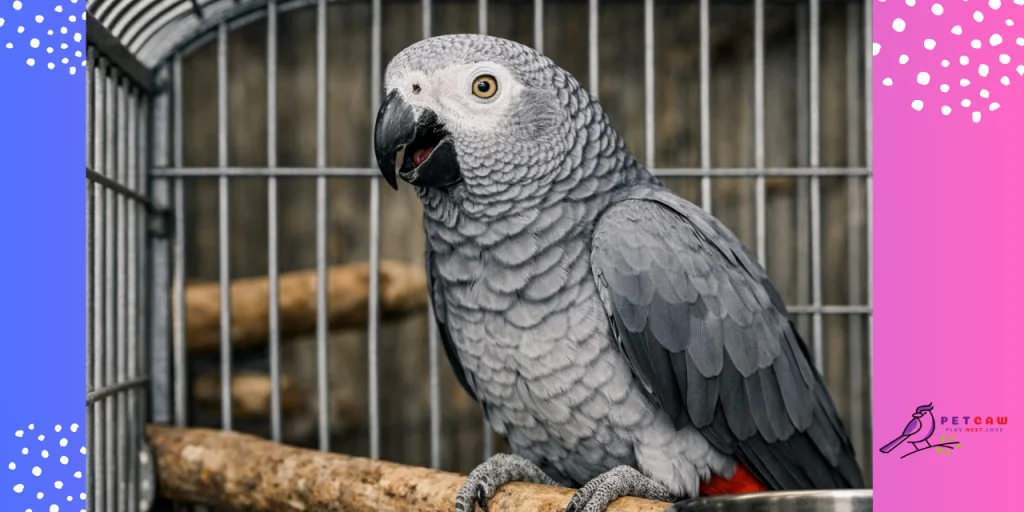
The African Grey parrot lifespan is one of the longest among companion birds, making these intelligent parrots a lifelong commitment. In captivity, a healthy African Grey parrot can live 40 to 60 years, while some exceptionally well-cared-for birds have reached 70 to 80 years of age. Their longevity depends heavily on nutrition, mental stimulation, veterinary care, and environmental conditions.
Known as the “Einsteins of the bird world,” African Grey parrots are celebrated for their extraordinary intelligence, emotional sensitivity, and advanced communication skills. However, their complex needs also mean that poor care can significantly shorten their lifespan. This expert guide explains everything owners need to know to help their African Grey thrive for decades.
What Is the Average African Grey Parrot Lifespan?
There are two primary types of African Grey parrots:
- Congo African Grey Parrot
- Timneh African Grey Parrot
Both species are highly intelligent and capable of long lifespans when raised in captivity.
Average Lifespan by Environment
| Environment | Average Lifespan |
|---|---|
| Wild | 20–25 years |
| Captivity (average care) | 40–50 years |
| Captivity (excellent care) | 60–80 years |
Wild African Greys face predators, habitat destruction, malnutrition, and illegal trapping. Captive birds live substantially longer due to safer living conditions and access to veterinary care.
Why Do African Grey Parrots Live So Long?
Several biological and behavioral factors contribute to the remarkable African Grey parrot lifespan.
1. Advanced Intelligence
African Greys possess cognitive abilities similar to a young child. Their brains require constant stimulation, problem-solving, and social interaction. Mentally engaged birds tend to experience lower stress levels and stronger immune function.
2. Slow Aging Process
Parrots generally mature slowly compared to many other pets. African Greys reach emotional and social maturity over several years, contributing to a longer lifespan.
3. Strong Social Bonds
In the wild, African Greys form lifelong flock relationships. Birds that receive consistent interaction and emotional security often live healthier, longer lives.
Common Problems That Reduce African Grey Lifespan
Despite their resilience, African Greys are vulnerable to several preventable health issues.
Nutritional Deficiencies
A seed-only diet is one of the most common causes of illness. African Greys are especially prone to:
- Calcium deficiency
- Vitamin A deficiency
- Obesity
- Fatty liver disease
Chronic Stress and Boredom
Lack of enrichment can trigger:
- Feather plucking
- Aggression
- Depression
- Self-mutilation
Stress weakens the immune system and may shorten lifespan considerably.
Toxic Exposure
African Greys are highly sensitive to airborne toxins such as:
- Teflon fumes
- Cigarette smoke
- Aerosol sprays
- Scented candles
Even brief exposure can be fatal.
Lack of Veterinary Care
Many bird owners fail to schedule annual avian wellness exams. Hidden illnesses often progress silently because parrots instinctively conceal symptoms.
How to Increase Your African Grey Parrot’s Lifespan
Proper care can dramatically improve your bird’s health and longevity.
1. Provide a Balanced Diet
Diet is the foundation of long-term health.
Recommended Diet Composition
- 60–70% high-quality pellets
- 20–25% fresh vegetables
- 5–10% fruits
- Limited seeds and nuts
Best Foods for African Greys
Healthy options include also you can read our blog for 10 Best foods for parrots
- Kale
- Sweet potatoes
- Carrots
- Bell peppers
- Broccoli
- Blueberries
- Quinoa
African Greys require adequate calcium intake for neurological and skeletal health.
2. Encourage Daily Mental Stimulation
African Greys need continuous cognitive engagement.
Effective Enrichment Activities
- Puzzle toys
- Foraging games
- Speech training
- Music interaction
- Object recognition exercises
Birds deprived of stimulation often develop destructive behaviors.
Ideal Cage Setup for Longevity
A proper habitat significantly affects physical and emotional health.
Cage Requirements
Your African Grey should have:
- Large flight space
- Multiple perch sizes
- Natural wood perches
- Stainless steel bowls
- Safe chewing toys
Importance of UV Lighting
Full-spectrum UV lighting supports vitamin D3 production and calcium absorption.
Without proper lighting, parrots may develop metabolic bone disease.
Socialization and Emotional Health
African Greys are deeply social birds that require daily interaction.
Signs of Emotional Distress
Watch for symptoms such as:
- Excessive screaming
- Feather destruction
- Withdrawal
- Appetite loss
- Aggressive biting
Loneliness is a major contributor to behavioral disorders in parrots.
Daily Interaction Recommendations
Experts recommend at least:
- 3–5 hours of social interaction daily
- Supervised out-of-cage time
- Positive reinforcement training
Step-by-Step African Grey Lifespan Care Plan
Step 1: Choose a Reputable Breeder
Always select captive-bred birds with veterinary documentation.
Step 2: Schedule Annual Avian Exams
Preventive care detects disease early and improves survival rates.
Step 3: Feed a Nutritionally Balanced Diet
Avoid excessive sunflower seeds and processed human foods.
Step 4: Create a Safe Environment
Remove all toxic fumes, unsafe metals, and hazardous household products.
Step 5: Prioritize Mental Health
Rotate toys weekly and maintain regular social routines.
Step 6: Monitor Weight and Behavior
Sudden changes in weight or personality often indicate illness.
African Grey Life Stages Explained
Baby African Grey (0–1 Year)
- Requires socialization
- Learning vocalization
- Sensitive immune system
Juvenile Stage (1–5 Years)
- Increased curiosity
- Behavioral testing
- Strong learning phase
Adult Stage (5–30 Years)
- Stable personality
- Peak intelligence
- Requires consistent enrichment
Senior African Grey (30+ Years)
Older parrots may experience:
- Arthritis
- Vision decline
- Reduced activity
- Weaker grip strength
Senior birds benefit from softer perches and easier cage access.

Prevention Tips for a Longer African Grey Lifespan
Avoid These Dangerous Mistakes
Never expose your bird to:
- Avocado
- Chocolate
- Alcohol
- Caffeine
- Non-stick cookware fumes
Maintain Routine
Parrots thrive on consistency. Sudden environmental changes can trigger anxiety and illness.
Encourage Exercise
Daily climbing and flight opportunities help prevent obesity and cardiovascular disease.
Ethical Ownership and Conservation
African Grey Parrot populations have declined due to illegal wildlife trade and habitat loss. The species is currently protected under international conservation agreements.
Responsible owners should:
- Support ethical breeding
- Avoid wild-caught parrots
- Promote conservation awareness
FAQs About African Grey Parrot Lifespan
Can African Grey parrots really live 80 years?
Yes. While uncommon, some African Greys have exceeded 70–80 years with exceptional care and genetics.
Which lives longer: Congo or Timneh African Grey?
Both have similar lifespans, though Timneh African Greys are often considered slightly hardier.
Why do African Greys pluck their feathers?
Feather plucking is usually linked to stress, boredom, loneliness, poor diet, or medical issues.
How much does it cost to care for an African Grey annually?
Owners typically spend between $1,000 and $3,000 yearly on food, toys, cage maintenance, and avian veterinary care.
At what age do African Greys start talking?
Most African Greys begin mimicking sounds and words between 12 and 18 months.
How much sleep does an African Grey need?
African Greys require 10–12 hours of uninterrupted sleep each night for hormonal and behavioral balance.
Final Thoughts
The African Grey parrot lifespan reflects the extraordinary intelligence and complexity of these remarkable birds. Owning one is not a short-term hobby but a decades-long responsibility requiring advanced care, emotional commitment, and financial planning.
With proper nutrition, enrichment, veterinary support, and social interaction, African Grey parrots can become lifelong companions that remain mentally sharp and emotionally connected for generations.
About The Author


