Talking parrots are more than entertaining pets—they’re highly intelligent companions capable of real bird-human interaction, emotional bonding, and advanced communication. If you’re searching for how parrots communicate, how to build trust with a talking parrot, or how to understand parrot behavior, you’re in the right place. Parrots use a mix of avian body language, vocal mimicry, and behavioral conditioning to express their needs and emotions. When you learn to read these signals and apply positive reinforcement training, you unlock a deeper relationship. This guide explains parrot communication techniques, bonding strategies, and behavior insights to help you connect, train, and build a lasting companionship.
What Does Parrot Communication Really Mean?
Parrot communication is a combination of avian body language, vocal mimicry, behavioral conditioning, and communication signals used to express emotions, needs, and reactions.
Unlike many pets, parrots rely on a mix of:
- Eye movements
- Feather positioning
- Posture
- Learned speech and parrot vocal mimicry
In simple terms: If you understand parrot body language meaning, your bird is constantly communicating—even without words.
This is the foundation of understanding parrot behavior and building a strong relationship.
Why Parrot Behavior Problems Are Actually Communication Signals
Many common issues—like parrot screaming, biting, and feather plucking—are not random. They are forms of animal communication signals.
For example:
- Why does my parrot scream? → seeking attention or stimulation
- Why do parrots bite their owners? → fear response or boundary-setting
- Feather plucking reasons → stress, boredom, or anxiety
These behaviors are rooted in stimulus and response behavior and operant conditioning in parrots.
Instead of reacting, focus on decoding parrot communication. This shift is essential for improving parrot behavior problems explained through science-backed methods.
How to Read Parrot Body Language
Mastering how to read bird body language is the fastest way to improve bird-human interaction.
Eyes
- Rapid pinning = excitement or overstimulation
- Soft gaze = calmness
Feathers
- Fluffed = relaxed
- Tight feathers = alert or stressed
Posture
- Upright = comfortable
- Leaning forward = warning
Wings & Tail
- Wing lift = excitement
- Tail fanning = dominance or stimulation
Learning how to read parrot signals step by step builds trust and prevents aggression.
12 Common Parrot Signals and What They Mean (Decoded)
Understanding these parrot communication signals helps you respond correctly:
- Happy → relaxed feathers, soft chirping
- Curious → head tilting, focused gaze
- Fearful → crouching, wide eyes
- Angry → lunging, tight feathers
- Excited → wing flapping, vocal bursts
- Stressed → pacing, feather picking
- Playful → interaction with toys
- Affectionate → preening behavior
- Territorial → guarding space
- Bored → repetitive movements
- Alert → still posture
- Hormonal → nesting or regurgitation
These are essential for recognizing signs your parrot is happy and comfortable vs stressed.
How Parrots Express Emotions
Research in animal emotions and intelligence shows parrots experience:
- Joy
- Fear
- Attachment
- Loneliness
- Social bonding
This highlights their parrot emotional intelligence and social intelligence in parrots.
To respond effectively:
- Use positive reinforcement training
- Avoid triggering fear response in parrots
- Maintain consistency
This builds trust development in birds and strengthens parrot emotional bonding.
Best Ways to Communicate with Your Parrot (Step-by-Step Guide)
If you want to master how to communicate with a parrot effectively, follow these proven methods:
1. Use a Calm Voice
Supports animal communication methods and reduces stress.
2. Build Trust Slowly
Essential for how to build trust with a talking parrot.
3. Use Positive Reinforcement
Core principle of behavioral conditioning and parrot training basics.
4. Respect Boundaries
Prevents aggression and supports parrot social behavior.
This is the best way to interact with pet parrots and build long-term trust.

Talking Parrots: Which Birds Communicate Verbally Best?
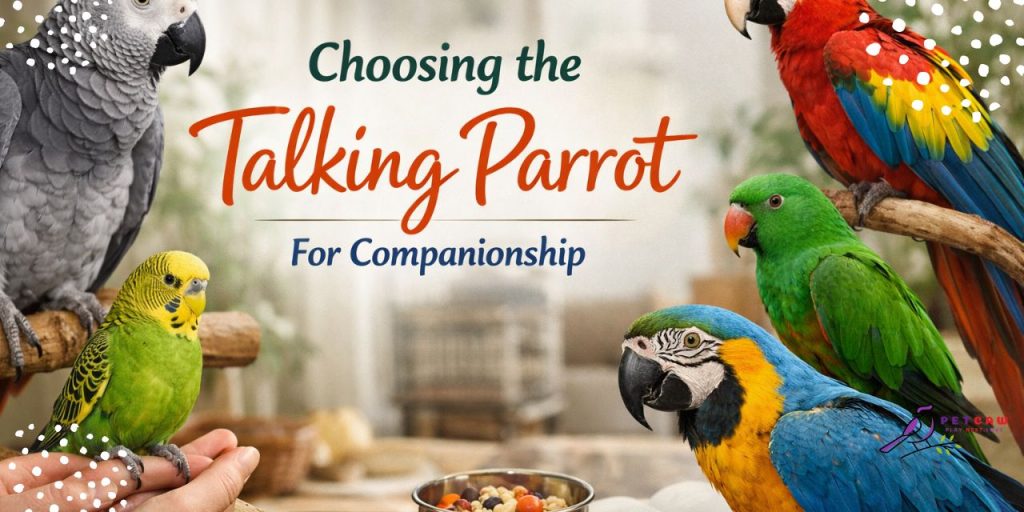
Some species excel in talking bird behavior and vocal mimicry:
- African Grey Parrot → advanced vocabulary and comprehension
- Budgerigar → small but highly verbal
- Indian Ringneck Parakeet → clear speech patterns
- Amazon Parrot → expressive and social
These are among the most intelligent pet birds and ideal for companionship.
How to Build a Strong Bond with Your Parrot (Proven Techniques)
Strong relationships rely on parrot bonding techniques and trust-building exercises for birds.
Daily Interaction
Improves human and parrot interaction guide principles
Play and Enrichment
Prevents boredom and bird anxiety symptoms
Treat-Based Bonding
Key to how to reward parrot behavior
Socialization
Supports parrot socialization tips and reduces fear
This is the foundation of how to build a relationship with a parrot.
Common Mistakes That Damage Parrot Communication
Avoid these critical errors:
- Ignoring parrot body language meaning
- Punishing instead of using positive reinforcement parrot training
- Forcing interaction (breaks trust)
- Inconsistent routines
- Lack of enrichment (leads to parrot screaming solutions issues)
These mistakes increase parrot biting causes and behavioral issues.
Expert Tips to Improve Communication with Your Parrot Faster
Want faster results? Apply these expert-level strategies:
- Talk consistently to improve parrot vocal mimicry
- Repeat keywords for learning
- Maintain calm energy for better animal communication signals
- Build routine for behavioral stability
- Observe avian body language closely
The key to success: understanding pet birds through observation, not control.
FAQs About Talking Parrot Companionship
How do parrots communicate?
Parrots use body language, vocal mimicry, and behavioral cues to express needs and emotions.
How do I know if my parrot trusts me?
Signs include relaxed posture, curiosity, and voluntary interaction—key indicators of trust development in birds.
Why does my parrot bite me?
Biting is usually a fear response or miscommunication, not aggression.
Can parrots understand humans?
Yes, through tone recognition, emotional cues, and social intelligence.
How to train a parrot not to bite?
Use positive reinforcement and behavioral conditioning, not punishment.
How long does it take to bond with a parrot?
It depends on consistency, but typically weeks to months using parrot bonding techniques.
About The Author


