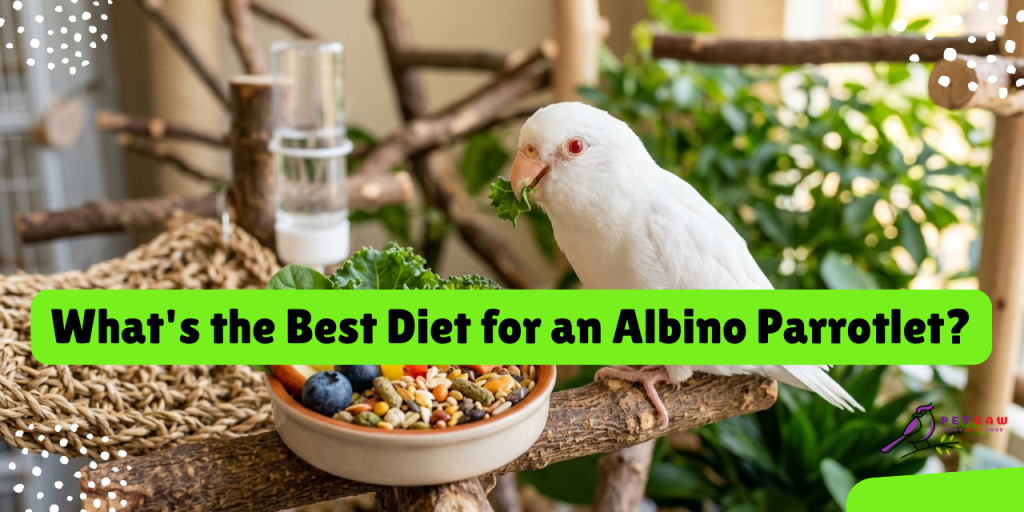
Albino parrotlets are beautiful, intelligent companion birds that require a carefully balanced diet to maintain their health, vibrant feathers, strong immune system, and long lifespan. While many owners assume seeds are enough, the truth is that nutrition plays a critical role in preventing obesity, vitamin deficiencies, feather problems, and behavioral issues.
If you’re wondering what’s the best diet for an albino parrotlet, the answer is a balanced combination of high-quality pellets, fresh vegetables, limited fruits, healthy grains, and occasional protein sources. A varied diet closely mimics what parrotlets would consume in the wild and provides the essential nutrients they need to thrive.
This guide covers everything you need to know about feeding an albino parrotlet, including common dietary mistakes, signs of nutritional deficiencies, feeding schedules, and expert nutrition tips.
Understanding Albino Parrotlet Nutrition
An albino parrotlet is not a separate species. It is a color mutation of the parrotlet, characterized by white feathers and red or pink eyes due to a lack of melanin pigmentation.
Because albino parrotlets have the same biological needs as other parrotlets, their dietary requirements remain identical. However, proper nutrition becomes even more important because feather condition, eye health, and immune function are heavily influenced by nutrient intake.
Key Nutritional Requirements
Albino parrotlets need:
- High-quality protein
- Essential fatty acids
- Vitamins A, D3, E, and K
- Calcium and phosphorus
- Trace minerals
- Fiber
- Fresh water daily
A balanced diet supports:
- Healthy feather growth
- Strong immune function
- Optimal energy levels
- Reproductive health
- Proper digestion
- Longer lifespan
The Best Diet for an Albino Parrotlet
1. High-Quality Pellets (60-70% of Diet)
Most avian veterinarians recommend pellets as the foundation of a parrotlet’s diet.
Benefits include:
- Balanced nutrition
- Consistent vitamin intake
- Reduced selective eating
- Lower risk of nutrient deficiencies
Look for pellets specifically formulated for small parrots and parrotlets.
Avoid:
- Artificially colored pellets
- High-sugar formulations
- Cheap filler-based products
Pellets should make up approximately 60-70% of your bird’s daily food intake.

2. Fresh Vegetables (20-30% of Diet)
Vegetables provide vital vitamins, minerals, antioxidants, and fiber.
Best vegetables for albino parrotlets include:
- Kale
- Spinach (in moderation)
- Broccoli
- Bell peppers
- Carrots
- Sweet potatoes
- Zucchini
- Green beans
- Brussels sprouts
- Cucumber
Vegetables rich in Vitamin A are particularly beneficial because Vitamin A supports feather quality, eye health, and immune function.
3. Fresh Fruits (5-10% of Diet)
Fruits should be offered as treats rather than staple foods due to natural sugar content in parrotlet diet .
Safe fruits include:
- Apples (without seeds)
- Blueberries
- Strawberries
- Mango
- Papaya
- Pears
- Bananas
- Melon
- Kiwi
Rotate fruits regularly to increase dietary variety.
4. Healthy Grains and Legumes
Small portions of cooked grains can enhance nutrition.
Good options include:
- Quinoa
- Brown rice
- Oats
- Barley
- Lentils
- Chickpeas
These foods provide complex carbohydrates, plant protein, and fiber.
5. Occasional Protein Sources
Additional protein may be offered occasionally.
Examples include:
- Cooked egg
- Sprouted seeds
- Cooked legumes
- Small amounts of plain cooked chicken
Protein supports feather production and tissue repair.
Common Diet Problems in Albino Parrotlets
Many health issues stem directly from poor nutrition.
Seed-Only Diet Syndrome
One of the most common mistakes is feeding primarily seeds.
Symptoms include:
- Obesity
- Vitamin deficiencies
- Fatty liver disease
- Weak immune system
- Dull feathers
Seeds are high in fat but relatively low in essential nutrients.
Vitamin A Deficiency
Vitamin A deficiency is common among parrots consuming poor-quality diets can lead to various parrotlet diseases .
Symptoms:
- Nasal discharge
- Breathing problems
- Poor feather condition
- Reduced immunity
- Eye problems
Calcium Deficiency
Insufficient calcium can lead to:
- Weak bones
- Egg-binding in females
- Muscle weakness
- Neurological issues
Obesity
Parrotlets can easily gain excess weight.
Warning signs include:
- Difficulty flying
- Excessive abdominal fat
- Lethargy
- Heavy breathing
Causes of Nutritional Problems
Several factors contribute to dietary issues.
Lack of Dietary Variety
Many owners feed the same foods daily, limiting nutrient intake.
Excessive Seeds and Treats
High-fat diets increase the risk of obesity and liver disease.
Poor Food Quality
Expired or low-quality bird food can lack essential nutrients.
Inadequate Fresh Foods
Birds deprived of vegetables and fruits often develop deficiencies over time.
Step-by-Step Guide to Transitioning to a Healthy Diet
If your albino parrotlet currently eats mostly seeds, transition gradually.
Step 1: Introduce Pellets Slowly
Mix pellets with the existing seed mix.
Begin with:
- 75% seeds
- 25% pellets
Gradually increase pellet percentage over several weeks.
Step 2: Offer Vegetables Daily
Present vegetables in different forms:
- Chopped
- Shredded
- Whole leaves
- Bird-safe skewers
Persistence is important because parrotlets may reject new foods initially.
Step 3: Rotate Food Choices
Provide a variety of colors and textures.
This prevents boredom and encourages balanced nutrition.
Step 4: Monitor Weight
Use a gram scale weekly.
Sudden weight loss during dietary changes may indicate inadequate food intake.
Step 5: Remove Uneaten Fresh Foods
Discard fresh foods after a few hours to prevent bacterial growth.
Foods Albino Parrotlets Should Never Eat
Some foods are toxic and potentially fatal.
Avoid:
- Avocado
- Chocolate
- Caffeine
- Alcohol
- Onion
- Garlic
- Rhubarb
- Apple seeds
- Fruit pits
- Xylitol sweeteners
- Excess salt
- Sugary processed foods
Always research unfamiliar foods before offering them.
Real-World Feeding Example
A healthy daily menu for an adult albino parrotlet might look like:
Morning
- High-quality pellets
- Chopped kale
- Bell pepper pieces
Afternoon
- Fresh water replacement
- Small serving of quinoa
Evening
- Pellets
- Carrot slices
- Small blueberry as a treat
This combination provides balanced nutrition while encouraging natural foraging behaviors.
Additional Nutrition Tips
Encourage Foraging
Hide food in toys and puzzle feeders.
Benefits include:
- Mental stimulation
- Reduced boredom
- Increased physical activity
Provide Fresh Water Daily
Clean water should always be available.
Replace water at least once daily.
Limit Treats
Treats should not exceed 10% of the total diet.
Schedule Regular Veterinary Exams
Annual avian veterinary checkups help detect nutritional problems early.
How Diet Affects Lifespan
Proper nutrition significantly impacts longevity.
A well-fed albino parrotlet may live 15 to 20 years or longer with excellent care.
Balanced diets reduce the risk of:
- Liver disease
- Obesity
- Immune dysfunction
- Metabolic disorders
Good nutrition is one of the most important factors influencing overall lifespan.
Frequently Asked Questions
Can albino parrotlets eat seeds?
Yes, but seeds should only be a small portion of the diet. They are best used as treats or training rewards rather than primary food.
What vegetables are best for albino parrotlets?
Dark leafy greens, carrots, broccoli, bell peppers, and sweet potatoes are among the healthiest choices.
How often should I feed fruit?
Fruit should be offered several times per week in small amounts due to its natural sugar content.
Are pellets better than seeds?
Yes. Pellets provide balanced nutrition and help prevent vitamin and mineral deficiencies commonly seen in seed-based diets.
Can albino parrotlets eat eggs?
Yes. Small amounts of cooked egg can be offered occasionally as a protein source.
How do I know if my parrotlet has a nutritional deficiency?
Common signs include poor feather quality, lethargy, weight changes, respiratory issues, dull plumage, and reduced activity. An avian veterinarian can provide a definitive diagnosis.
Conclusion
The best diet for an albino parrotlet consists primarily of high-quality pellets supplemented with fresh vegetables, limited fruits, healthy grains, and occasional protein sources. Avoiding seed-heavy diets, providing dietary variety, and monitoring your bird’s weight are essential steps for maintaining long-term health. With proper nutrition, your albino parrotlet can enjoy vibrant feathers, strong immunity, excellent energy levels, and a lifespan that may exceed two decades.
About The Author


